
Call Golden I Construction
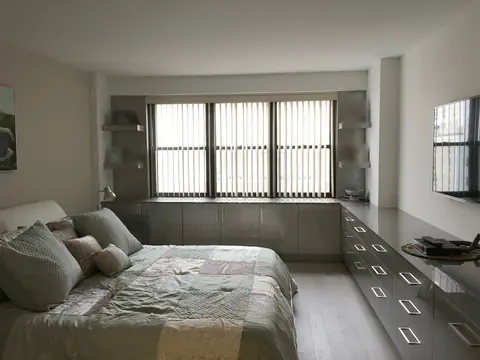
Golden I Construction designs and builds custom storage for New York City homes: closet cabinetry, libraries, built-in cabinets and shelving, and the architectural millwork that surrounds them. Custom millwork, kitchen cabinetry, custom closet cabinetry and luxury crown moldings are among the things we specialize in, and the work is done under a single management, from the first drawing to the last coat of finish.
Nowhere is a commitment to quality materials more apparent than in the selection of cabinets and millwork. They represent a significant percentage of the overall cost of a new or renovated home. Architectural millwork, made to order according to a set of architectural drawings, is a popular upgrade, and its detailing creates a richly nostalgic atmosphere that can remind you of the comfort of a grandparent’s home or the elegance of a club you have been in. Libraries, dens and sitting rooms dressed with raised panel cabinetry and special moldings are often included in the plans for new homes and remodeling projects.
Tell us what you need to store and where. Call us to arrange a first meeting about your closets, built-ins or millwork.
What we build
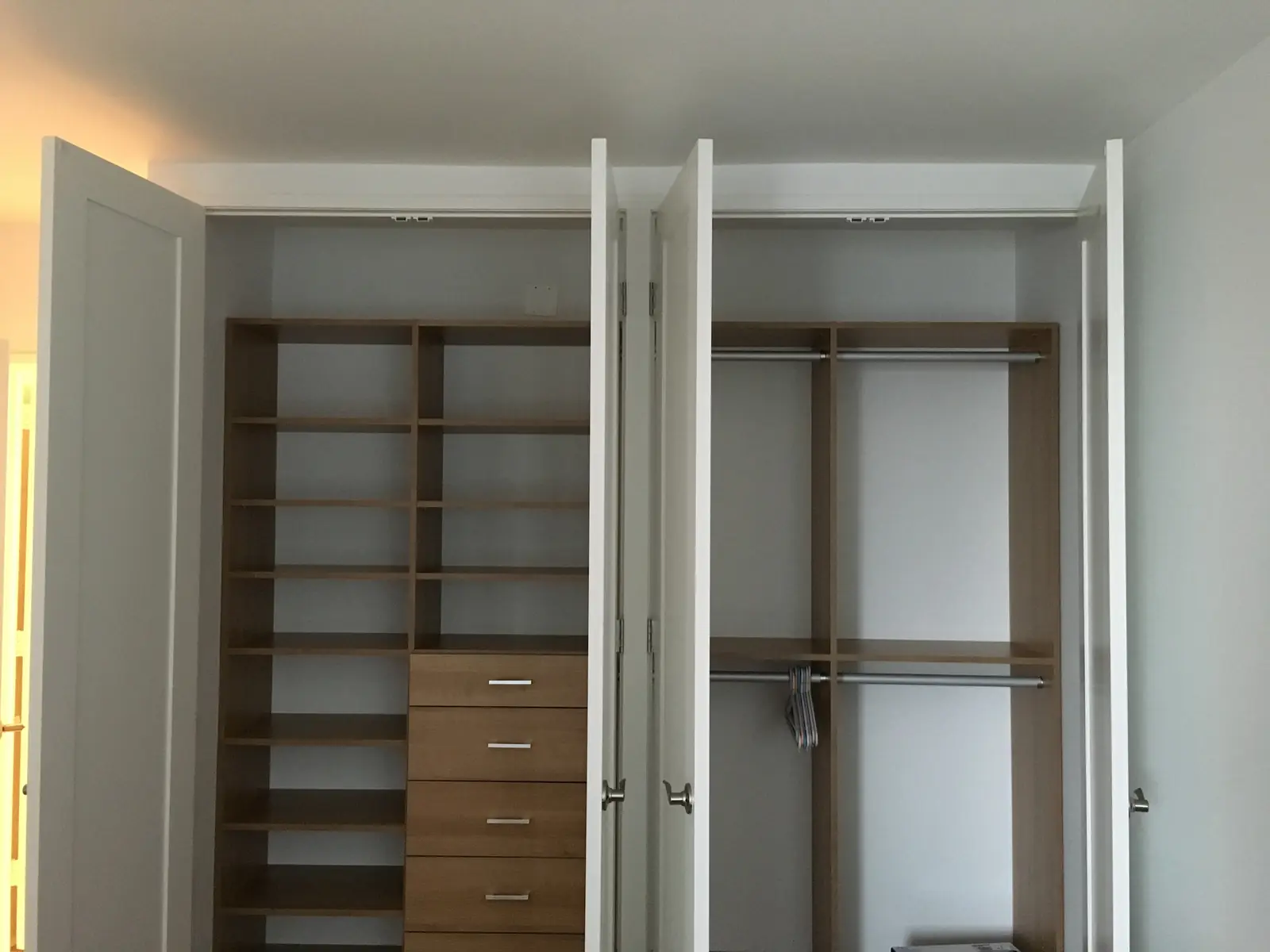
- Closets: custom closet cabinetry, shelving and custom closet doors, bi-fold doors among them
- Libraries, dens, studies and sitting rooms with raised panel cabinetry and bookshelves
- Fine cabinetry and built-ins for living rooms, bedrooms and home offices
- Architectural millwork: paneling, wainscoting with raised panels, beamed ceilings, crown moldings and special moldings
- Custom furniture, including freestanding pieces such as an armoire
- Wall units for the television and audio-video equipment, which have their own page: entertainment units
We hired Golden I Construction Inc. to make and install custom bi-fold closet doors and custom shelving in 2 of our closets in our small apartment in Brooklyn. They were very efficient, professional, extremely polite and very clean. They protected the rest of our apartment and cleaned up after every day of work so it felt like they were never there! The detail of their work was very impressive. Months later when we had an issue with one of the doors, they were very responsive in coming back to fix the issues with no extra charge. I highly recommend this team!
Questions to ask yourself first
If you are considering how and where to install cabinets and millwork, ask yourself questions like these:
- How is the room used? Will a study be used for work or for solitude, for entertaining or as a second office? Will it have to function as both a working office and an elegant room?
- How will the cabinets and shelves be used? For books, collectibles, audio-video equipment, a computer or a printer?
- What look do you want? You may want to dress your rooms in different woods: the rich look and feel of cherry paneling in the library, mahogany in the foyer, oak in a guest room and plaster in the dining room.
- Will the interior millwork work with the architecture of the building? A colonial home reminiscent of Mount Vernon should be filled with authentic details, like dog ear corners, that create classic luxury. In a modern home, millwork can add interest and warmth to one room or to many.
Custom closets
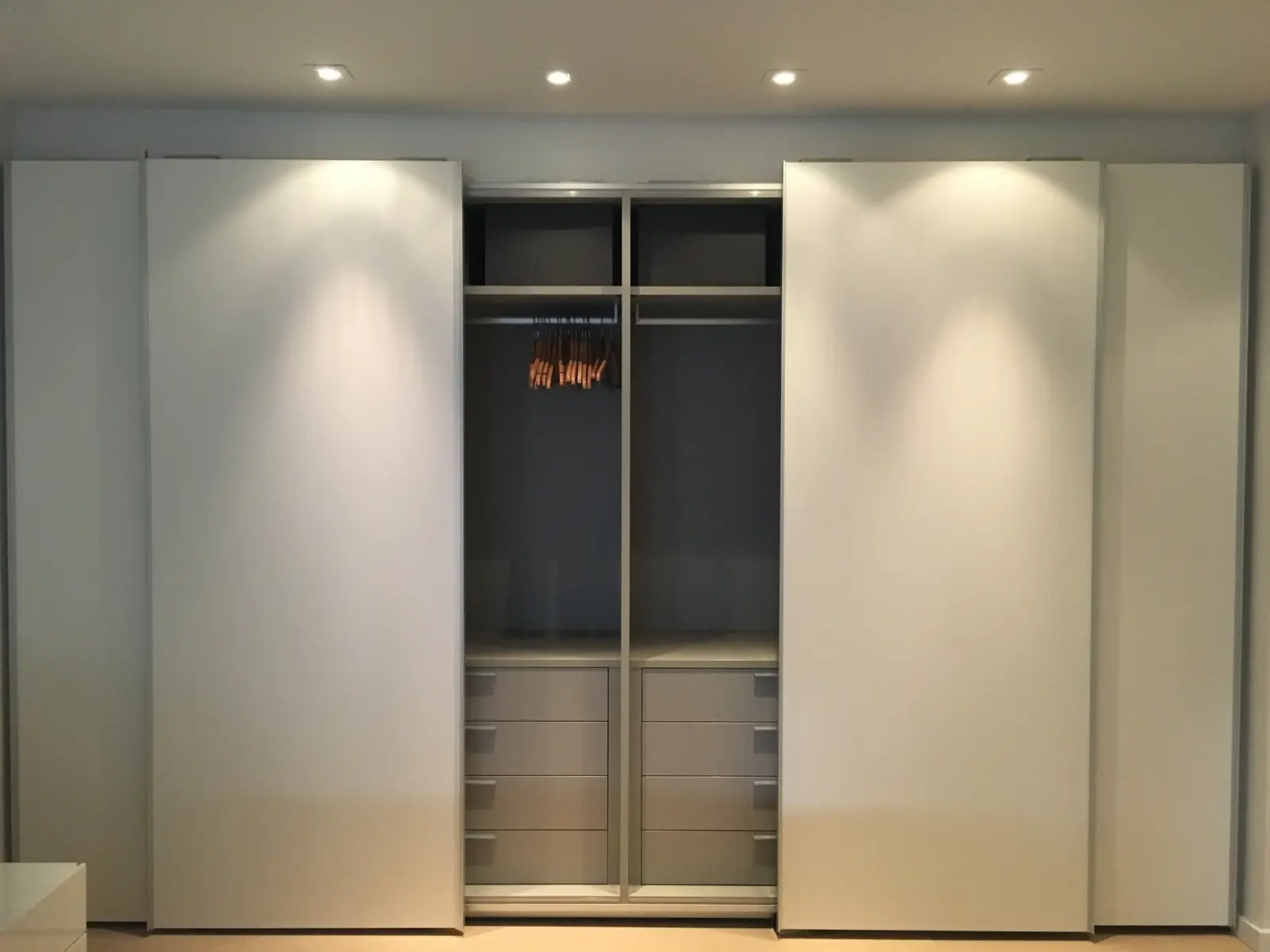
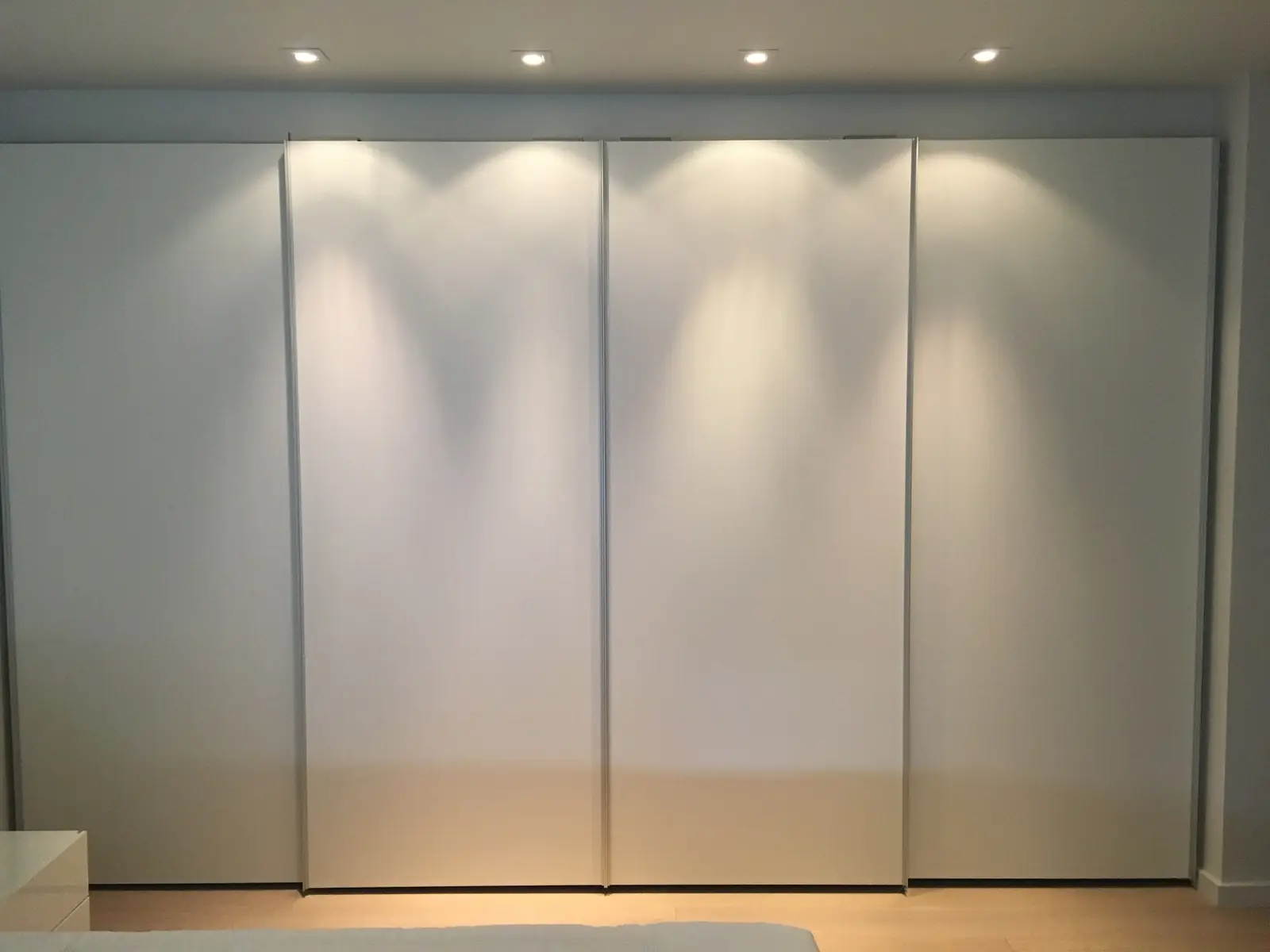
A closet starts with an inventory, the same way a kitchen does: how much hangs long and how much hangs short, what is folded, how many pairs of shoes, and what you reach for every day. The interior is then divided to fit, with shelves, drawers and hanging rods at the heights you need. The doors are chosen for the room: hinged, sliding, or bi-fold where a swinging door would be in the way. Our article on revamping your closet has more ideas to bring to the first meeting.
Take time to make a statement
Handcrafted, high-quality woodwork cannot be rushed. Contact us as early as possible, with a clear idea of the architectural statement you wish to make. The earlier you plan these details, the more options you will have.
Millwork has to be coordinated with the rest of the construction. Raised-panel wainscoting has to be worked out with the electrical outlets and with the window and door openings, beamed ceilings with the light fixtures, and crown moldings with the heating vents. Hold a preliminary meeting before construction begins, while it is early enough to incorporate innovative or special requirements into your plans. The more time you can devote to design, the better your result will be, and two to three weeks is recommended. You are creating a custom millwork package that has never been designed for anyone before, and investments made at the front end are the most valuable.
- Ask about design fees, timelines and costs per revision.
- Keep your builder up to date on all of your millwork plans.
- Drawings can be as detailed as you require. If you want to see the intricacies of a radius molding before you contract for it, let us know.
- Ask to see wood samples, with and without stain or paint.
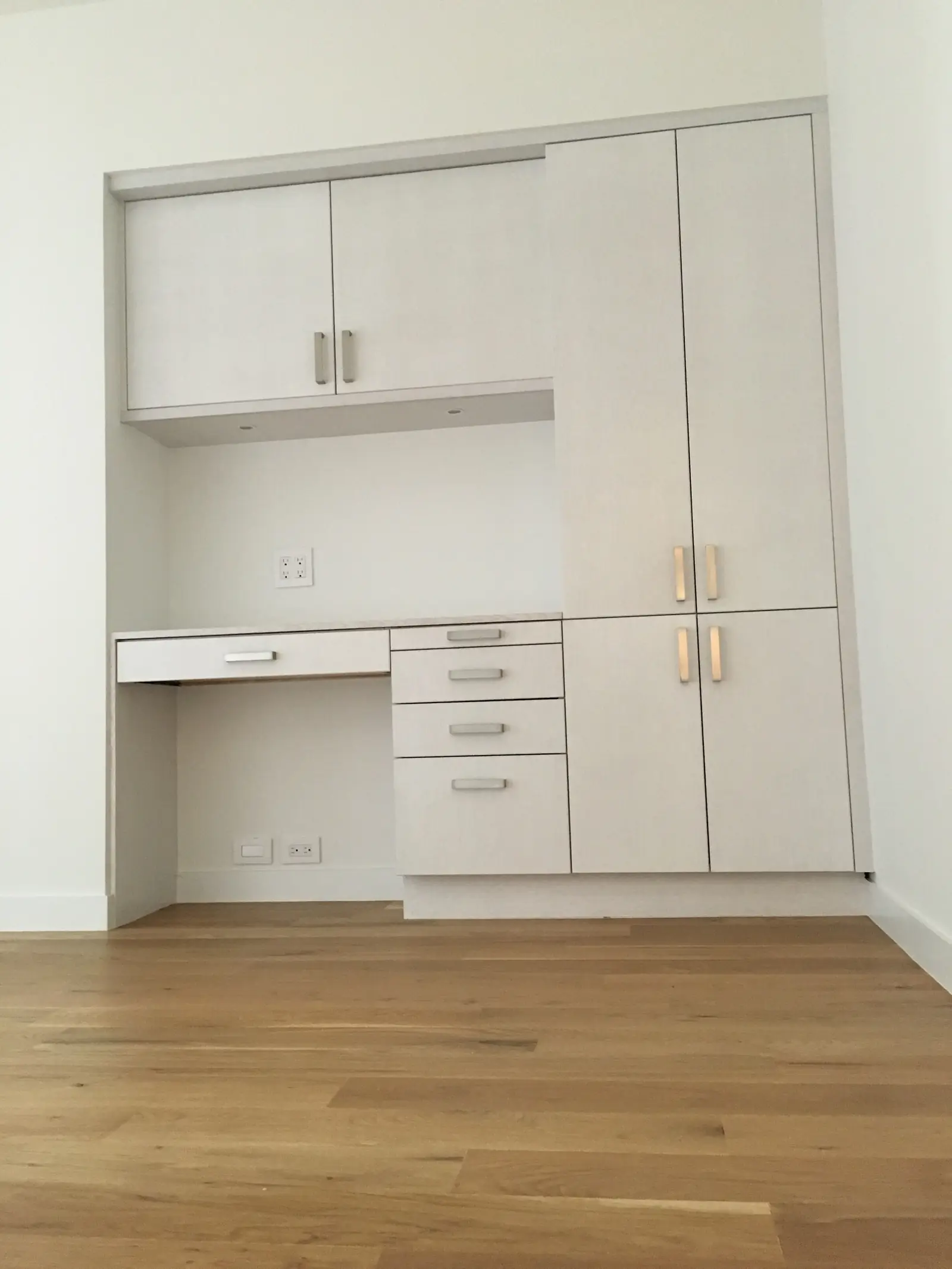
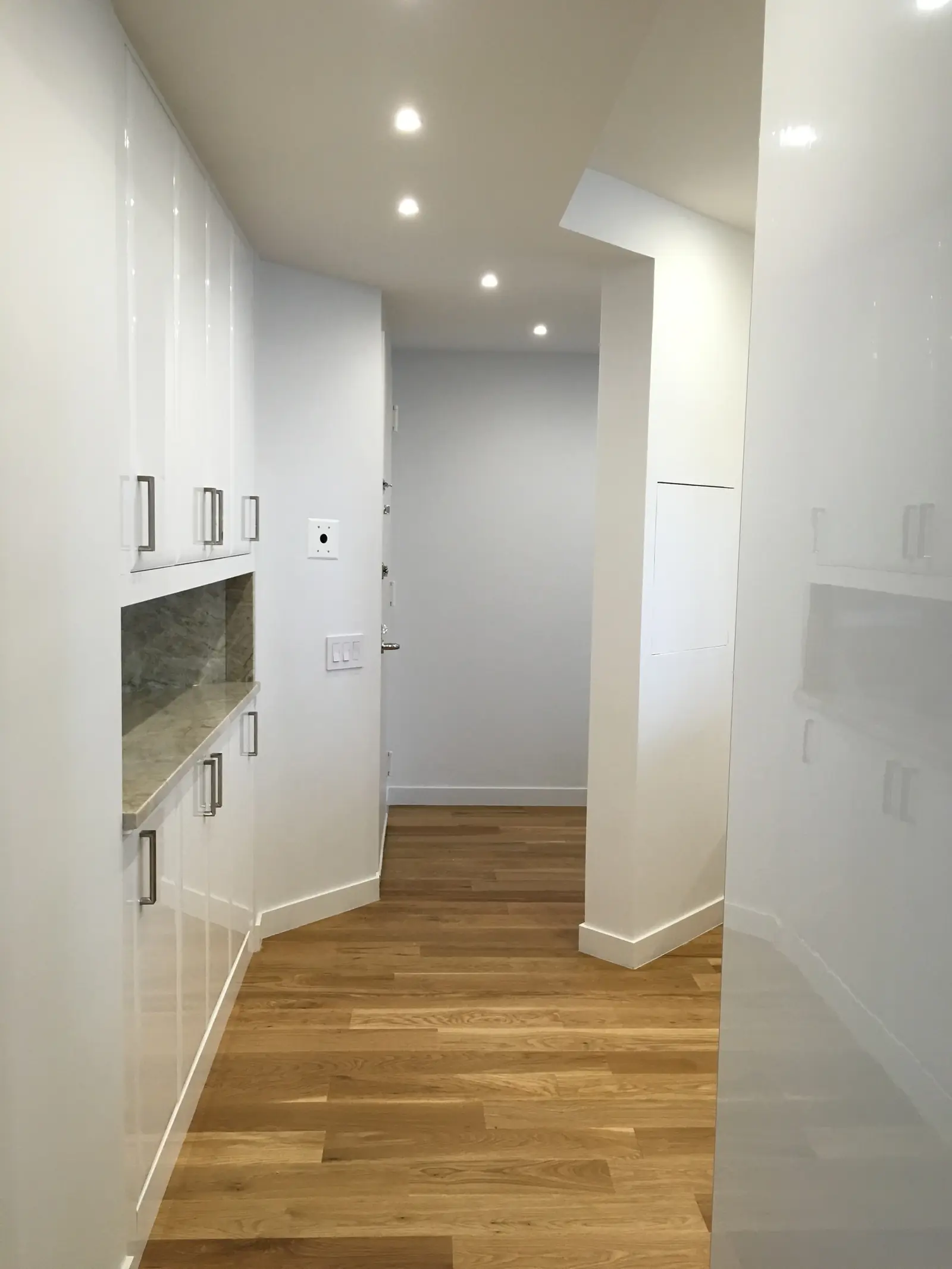
Built-in storage in a New York City apartment
The Department of Buildings gives installing new cabinets as an example of work that does not need a work permit, and says contractors doing that home improvement must be licensed by the Department of Consumer and Worker Protection. Golden I Construction Inc holds that license, number 2019617-DCA. Lighting inside a closet or a bookcase is different: the department says an electrical permit is required for most electrical work, and that it must be performed by electrical contractors it has licensed.
In a co-op or a condo, ask the managing agent before you order anything. Under the New York City Bar Association’s model alteration agreements, an owner needs the building’s consent to make alterations or install equipment, and each building decides how it applies that to built-in cabinetry. Two provisions of the model form bear directly on storage. All water, steam and gas valves must remain accessible during and after the work, so a cabinet built around a radiator or a pipe needs a way in. And the owner may not interfere with the building’s heating or air-conditioning system, which is one more reason to coordinate millwork with the heating vents.
Getting the work in and out of the building has rules as well. The model form has the contractor protect the hallway and elevator finishes and take rubbish out only by the service elevator, at the times the superintendent directs, and it limits work to weekdays. The city itself allows construction between 7 am and 6 pm on weekdays. And where old painted surfaces are cut or sanded in a home built before 1978, a federal rule requires the firm doing the work to be certified and to follow lead-safe work practices.
A built-in is fastened to the building. A freestanding piece is not, and the U.S. Consumer Product Safety Commission’s Anchor It campaign says that anchoring all furniture with drawers, doors and shelves to the wall prevents tip-over injuries and deaths. If you choose a freestanding armoire or bookcase, plan for the anchor.
Woods and finishes
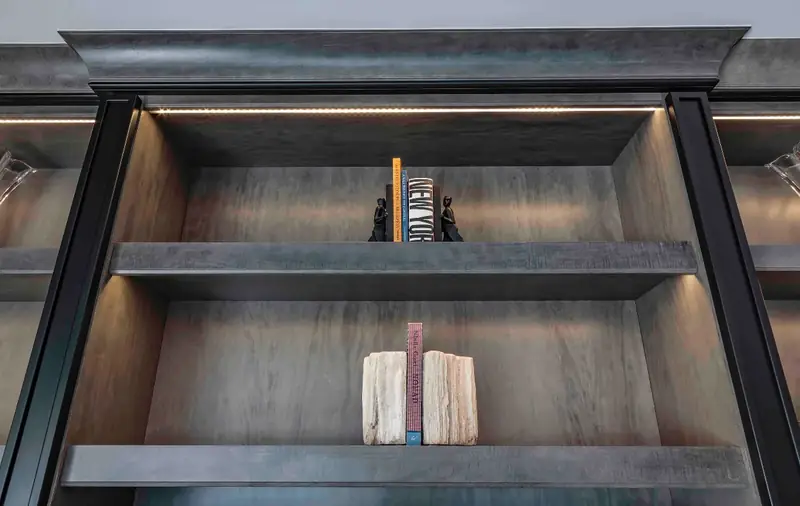
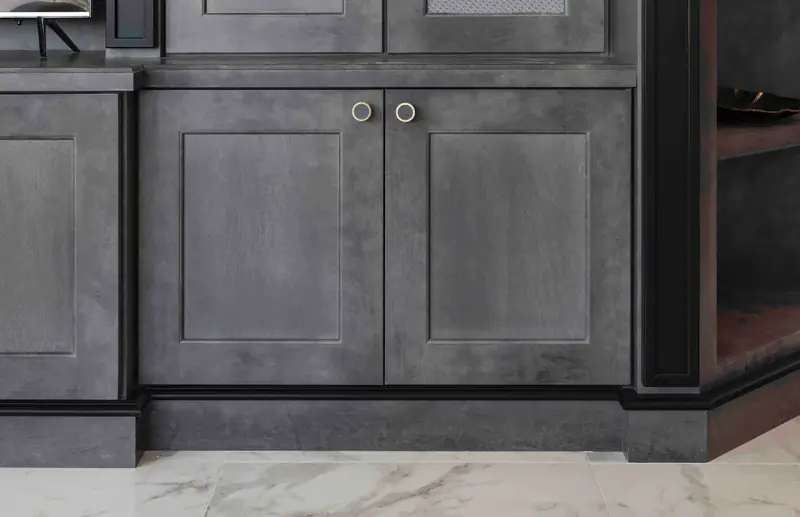
We build in oak, cherry, maple, alder, mahogany, walnut, birch, hickory, sapele, wenge, zebrawood, birdseye and other exotic woods, in solid wood and in veneer, and in painted finishes. The door styles, and what terms such as inset and full overlay mean, are on our custom cabinets page, where you can also read about our showroom, which is seen by appointment.
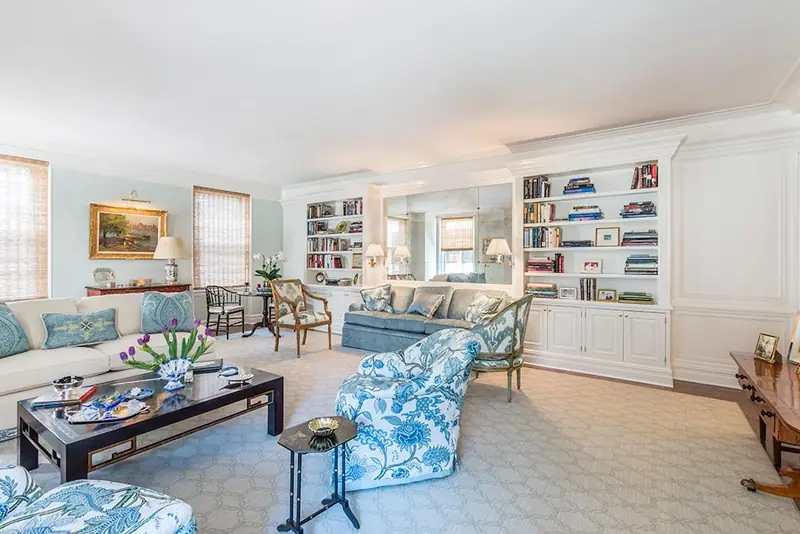
More rooms with built-ins are in our general gallery. If the storage is part of a larger job, see apartment renovation and kitchen renovation. To start, call us or use the request form on our contact page.
Call us early, before construction begins, so your storage and millwork can be designed into the plans.
Questions people ask
Do you build custom closets?
Yes. Custom closet cabinetry is one of the things we specialize in. One client hired us to make and install custom bi-fold closet doors and custom shelving in two closets of an apartment in Brooklyn.
Do I need a permit for built-in cabinets or a closet system in NYC?
The Department of Buildings gives installing new cabinets as an example of work that does not need a work permit, and the contractor must be licensed by the Department of Consumer and Worker Protection. Electrical work, such as lighting or a new outlet, generally needs an electrical permit and a licensed electrical contractor.
Does my co-op or condo have to approve built-in storage?
Ask your managing agent before you order. The New York City Bar Association’s model alteration agreements make the building’s consent the starting point for any alteration or installed equipment, and each building decides whether a closet system or a bookcase comes under that.
How far ahead should I contact you about millwork?
As early as possible, and before construction begins. Handcrafted woodwork cannot be rushed, and two to three weeks of design time is recommended.
Can I see samples before I decide?
Yes. Ask to see wood samples with and without stain or paint, and drawings as detailed as you require. Our cabinet showroom in Manhattan is seen by appointment.
Which woods do you work in?
The same woods as our kitchen cabinets, from oak, cherry, maple and walnut to mahogany and exotic woods such as wenge and zebrawood, in solid wood or veneer. The full list is on our custom cabinets page.
Can a cabinet be built in front of a radiator or pipes?
It has to be planned with them. The model alteration agreement for co-ops requires that water, steam and gas valves remain accessible during and after the work, and it does not let an owner interfere with the building’s heating system.