
Call Golden I Construction
A budget for a home construction project in New York City has five parts, and the contractor’s price is only the first. The others are design and filing, what your building charges, a reserve for surprises, and the cost of living through the work. A budget that leaves out any of the last four is a budget waiting to be overrun.
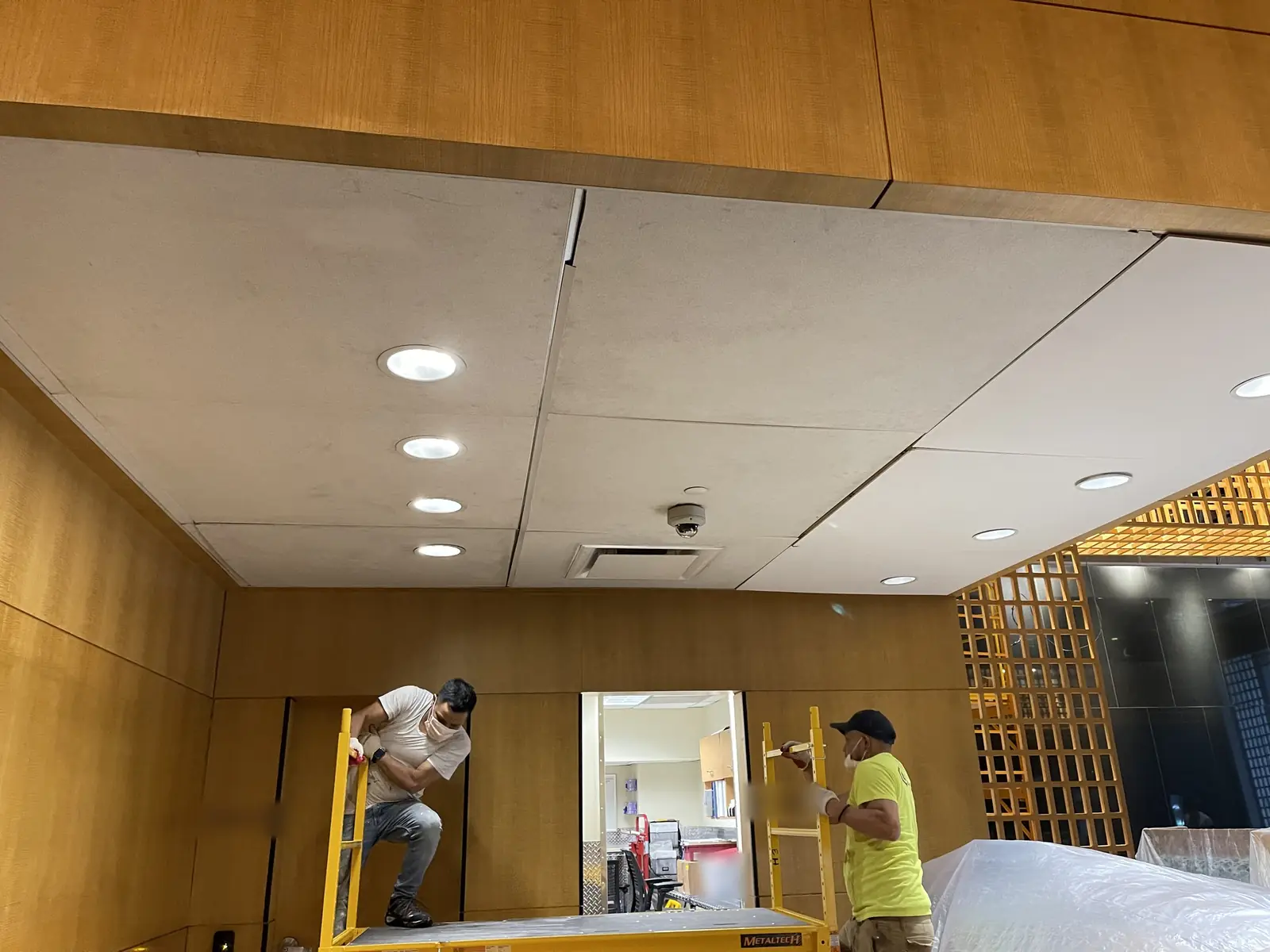
Define the scope in writing
Start with what you want to achieve: a room that works better, an updated look, more value, or all three. Then write down what is in the project and what is not, room by room. Rank the items, so that if something has to give you already know what. Research materials and fixtures now: the more detailed the plan, the fewer hurried decisions later.
The five parts of the budget
- Construction: labor and materials under the contract, including the fixtures, appliances and finishes you have chosen.
- Design and filing: when a job needs plans and a permit, a New York State licensed professional engineer or registered architect must prepare and file them, and the city charges permit fees.
- The building: a co-op alteration agreement can require a security deposit, a processing fee to the managing agent and a deposit toward the fees of the building’s own architect or engineer, who reviews your plans at your expense.
- A reserve: money held back for conditions nobody can see until demolition, such as old wiring, a damaged subfloor or pipes that are not where the drawings show them.
- Living costs: storage, meals out while the kitchen is gone, and somewhere to stay if you move out.
What drives the cost in New York City
No article can price your job, because no two here are alike. These are the things that move the figure up or down:
- Whether plumbing, gas or walls move. Keeping fixtures where they are avoids both work and filings.
- The level of finish: stock or custom cabinets, the stone, the tile, the appliances.
- The building’s rules. Work limited to weekday hours, a single service elevator and daily protection of hallways all add labor time.
- The age of the building. Lead paint and asbestos, where present, have to be dealt with under their own rules.
- The deadline. The New York City Bar Association’s model co-op alteration agreement sets a required completion date and a charge for each working day beyond it.
Compare estimates like for like
The Department of Consumer and Worker Protection advises getting a written estimate from more than one licensed home improvement contractor. Give each the same written scope, and ask for an itemized breakdown, so you are comparing the same job. A low figure that leaves out the permit, the protection or the debris removal is not a lower price. Ask how changes are handled: on our jobs every change order you approve appears in an itemized report, alongside the original plan.
The contract and the payments
New York law requires a home improvement contract to be in writing and signed by all parties. It must give the approximate dates the work will begin and be substantially completed, describe the work and the materials, and, where there are progress payments, set them out in a schedule in dollars and cents. The owner may cancel until midnight of the third business day after the contract is signed. The city’s consumer agency advises paying no more than 25 percent of the contract amount up front. Tie the later payments to stages you can see: demolition done, rough plumbing and electrical inspected, cabinets installed, final walk-through.
Tax and records
Raise two points with your accountant. In New York State, work that qualifies as a capital improvement, such as installing kitchen cabinets, is not subject to sales tax on the contractor’s charge when the customer gives the contractor a completed Certificate of Capital Improvement, Form ST-124; repairs and maintenance are taxable (NYS Tax Department). And the Internal Revenue Service counts improvements toward the basis of your home, which can matter when you sell. Keep the contract, change orders, invoices and proof of payment together.
Build the schedule backward
Construction is the visible part of the schedule. On our timelines an average kitchen takes six to ten weeks and an average bathroom four to eight. Before that come design, the board’s review, any permit, and the wait for cabinets and other ordered items. Work back from the date you need the home, and check progress against the plan as the job runs, so a slip is dealt with in the week it happens.
Doing some of the work yourself can save money on tasks within your skill, such as painting. Be realistic, and leave plumbing, gas and electrical work to the licensed trades; our piece on what not to do while remodeling explains where the lines are.
For how one firm handles design, estimates and construction together, see design and build. Home renovation in NYC covers whole-home projects, co-op renovation the board process, and the FAQs the common questions.
Ready to put real numbers to your project? Call us or send the request form to arrange a first meeting and an estimate.
Questions people ask
What costs do people forget in a NYC renovation budget?
The architect or engineer and the permit fees, the building’s deposits and review fees, storage and temporary housing, and a reserve for hidden conditions. None of them is in the contractor’s price.
Do I pay sales tax on a renovation in New York?
It depends on the work. The state treats a qualifying capital improvement differently from repairs and maintenance: with a completed Form ST-124 from the customer, the contractor does not collect sales tax on a capital improvement project. Ask your contractor and accountant how it applies to yours.